For a 65-inch TV, the ideal TV stand should be 65-70 inches wide to ensure stability and visual balance, placing the center of the screen at eye level (around 40-42 inches high) for comfortable viewing. These stands provide a secure platform for your display, organize media equipment, and enhance your living space’s aesthetics and functionality.
What is a TV Stand? Why Do You Need One?
A TV stand is a dedicated piece of furniture designed to support a television and often house associated media equipment like soundbars, gaming consoles, and streaming devices. While modern TVs are increasingly wall-mounted, a high-quality TV stand remains essential for many households, offering a blend of practical benefits and aesthetic appeal. They provide a stable, secure platform for your expensive display, preventing accidental tipping, especially crucial in homes with children or pets.
Beyond stability, TV stands offer invaluable storage solutions, helping to organize clutter and conceal unsightly cables. Built-in shelves, drawers, and cabinets keep your entertainment area tidy, ensuring a clean and harmonious look. They also contribute significantly to the overall design of your room, acting as a stylish centerpiece that reflects your personal taste, whether it’s minimalist, rustic, or contemporary. The right TV stand elevates your viewing experience by positioning the screen at an ergonomic height, reducing neck strain and enhancing immersion. For explore our tv stands reviews on this site.
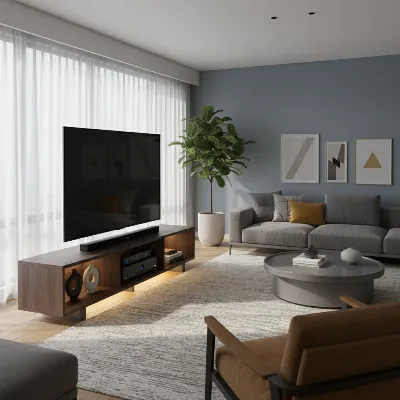 A stylish modern living room featuring a sleek TV stand with a 65-inch TV mounted above it, subtle LED lighting, organized media devices, and decorative elements.
Popular Types of TV Stands on the Market
The diversity of TV stands available today means there’s a perfect option for every room and lifestyle. Understanding the different types can help you identify what best suits your space and functional needs.
Wall-Mounted TV Stand
Wall-mounted TV stands, often referred to as floating consoles, attach directly to the wall, leaving the floor clear.
- Advantages: This type offers a clean, minimalist aesthetic, making a room feel more spacious and modern. It frees up floor space, which is ideal for smaller rooms or for easy cleaning beneath the unit. They can also create a sleek, integrated look, especially when the TV itself is also wall-mounted above the console.
- Disadvantages: Installation can be more complex, often requiring drilling into wall studs and careful cable management to hide wires within the wall. Once installed, their placement is less flexible, making rearrangement difficult. Storage might also be more limited compared to larger floor-standing units.
- Best For: Modern, minimalist living rooms and compact apartments where maximizing floor space and achieving a streamlined look are priorities.
|
Our Picks for the Best TV Stand in 2026
As an Amazon Associate I earn from qualifying purchases.
|
||
| Num | Product | Action |
|---|---|---|
| 1 | Furologee TV Stand for TVs up to 55 Inch, Entertainment Center with Open Storage Shelves, Media Console Table with Soundbar Shelf for Living Room, Bedroom, Rustic Brown |

|
| 2 | WALI Floor TV Stand with Power Outlet, Tall TV Stand Mount for 32-75 inch TV up to 110 lbs, Swivel and Height Adjustable TV Stands with Wood Base for Bedroom, Office(TVDVD-7P), Black |
|
| 3 | PERLESMITH Universal Swivel TV Stand for 24-60 inch TVs up to 99 lbs, 12 Height Adjustable Table Top TV Stand, TV Base Stand with Tempered Glass Base, Max VESA 400x400mm, PSTVS33 |
|
| 4 | TV Stand for TVs up to 55", Entertainment Center with 2 Fabric Drawer, Media Console with Shelves, Television Stands for Living Room, Bedroom, Black DS02BB |
|
| 5 | Furinno Sully 3-Tier Stand for TV up to 40, Espresso/Black |
|
| 6 | HOOBRO LED TV Stand with Power Outlets to 65 inch TV, Gaming Entertainment Center with Glass Shelves and Large Drawer, Modern Media TV Console Table for Living Room Bedroom, White WT14UDDS01 |
|
| 7 | YGEOMER Entertainment Center for Up to 55 Inch TVs, TV Stand with Power Outlet and Open Storage Shelves, TV Media Console Table for Living Room and Bedroom, Black |
|
| 8 | HOOBRO TV Stand with Power Outlets to 65 Inches, TV Console Table with Open Storage Shelves, Industrial Media Entertainment Center for Living Room Bedroom, Rustic Brown and Black BF40DS01 |
|
| 9 | 23 Inch to 50 Inch Floor Small Corner TV Stand with Storage Shelves for Living Room Bedroom, Universal Floor Television Stands with Mount, Rustic Brown Corner TV Table Desk Shelf for Small Space |
|
| 10 | HOOBRO TV Stand with Charging Station to 55 Inches, LED Entertainment Center, Media TV Console Table with Open Storage Shelving for Living Room, Bedroom, Black BB122UDDS01 |
|
Floor-Standing TV Stand (Console/Cabinet)
The most traditional and common type, floor-standing TV stands, or media consoles, sit directly on the floor and typically resemble a dresser or cabinet.
- Advantages: These stands usually offer ample storage with multiple shelves, drawers, and cabinets, perfect for housing a variety of media devices, DVDs, and other accessories. They are generally easy to set up and move, providing flexibility in room arrangement. Many come with built-in cable management features to keep wires organized.
- Disadvantages: They can take up more floor space, potentially overwhelming smaller rooms. Their design might feel less contemporary than a floating unit for some aesthetics.
- Best For: Living rooms needing generous storage, those who prefer an easier setup, or households that frequently rearrange furniture. They are versatile enough to fit traditional, modern farmhouse, or transitional styles.
TV Stand with Mount (3-in-1)
A versatile option, 3-in-1 TV stands often combine a console with a built-in swivel mount that attaches directly to the back of the TV.
- Advantages: This hybrid design offers the storage benefits of a console while allowing the TV to be suspended, providing a cleaner look than a tabletop placement. The integrated swivel mount often allows for adjustable viewing angles, which is excellent for larger rooms or multiple seating areas. It can also minimize the need for wall drilling.
- Disadvantages: While more flexible than a wall mount, the TV’s height adjustment might be less extensive than a dedicated wall mount. The overall footprint can still be substantial due to the console base.
- Best For: Renters or those who want the flexibility of a mounted TV without permanent wall installation, seeking both storage and adjustable viewing.
Corner TV Stand
Specifically designed with an angled back, corner TV stands fit snugly into the corner of a room, utilizing often-unused space.
- Advantages: They are excellent space-savers, making them ideal for smaller rooms or awkward layouts where wall space is limited. They can create a cozy, defined entertainment zone.
- Disadvantages: Storage capacity can be more restricted due to their triangular or angled shape. They might not accommodate very wide soundbars or multiple large components easily. The viewing angle might be less direct for some seating arrangements if the corner isn’t centered.
- Best For: Small living rooms, bedrooms, or any space where maximizing floor area and utilizing corners efficiently is a priority.
Comparing TV Stand Types
Choosing the perfect TV stand involves weighing various factors. Here’s a detailed comparison to help you decide.
| Feature | Wall-Mounted TV Stand | Floor-Standing TV Stand (Console/Cabinet) | TV Stand with Mount (3-in-1) | Corner TV Stand |
|---|---|---|---|---|
| Aesthetic | Sleek, modern, minimalist, floating look | Traditional to modern, furniture-like, grounded presence | Hybrid (mounted TV, console base), often contemporary | Space-saving, cozy, can be traditional or modern |
| Space-Saving | Excellent (frees up floor space) | Moderate to low (uses significant floor space) | Moderate (TV is elevated, but console uses floor) | Excellent (utilizes often-unused corner space) |
| Storage | Low to moderate (often drawers/shelves) | High (ample drawers, shelves, cabinets) | Moderate to high (console offers storage) | Low to moderate (shape limits volume) |
| Cable Management | Can be excellent (hidden within wall) or challenging | Good (often includes cutouts, channels) | Good (integrated features in console) | Moderate (can have cutouts, but space is tighter) |
| Installation | Complex (requires drilling, expertise) | Easy (usually minor assembly, no wall drilling) | Moderate (some assembly, TV mount attachment) | Easy (minor assembly, no wall drilling) |
| Flexibility | Low (fixed once installed) | High (can be easily moved or rearranged) | Moderate (stand can be moved, TV swivels) | Low (fixed to a corner) |
| Safety | Very safe if properly anchored | Good (can be prone to tipping if not anti-tipped) | Good (TV securely mounted to stand) | Good (often designed for stability) |
| Weight Capacity | Varies; depends on wall anchors and stand strength | Generally high for consoles | High (designed for specific TV weights) | Moderate (can support up to 65-inch TVs) |
| Price Range | Mid to High (consider installation costs) | Low to High (wide range based on material/features) | Mid to High | Low to Mid |
| Materials | MDF, engineered wood, often with high-gloss finishes | Solid wood, engineered wood, metal, glass | Metal, glass, engineered wood | Engineered wood, solid wood |
| Typical Width for 65″ TV | Console below should be 65-70″ wide to balance wall-mounted TV. | 65-70″ (to support TV base and provide aesthetic balance) | 65-70″ for console base; mount fits specific VESA patterns. | 50-60″ (diagonal fit, check max screen size and weight) |
Factors to Consider When Buying a TV Stand (Buying Guide)
Choosing the ideal TV stand for your 65-inch television involves more than just picking a pretty design. Several critical factors ensure safety, functionality, and aesthetic harmony.
TV Size and Width
For a 65-inch TV, which typically measures 57-60 inches wide, your TV stand should always be wider than the television itself for both stability and visual balance. Experts recommend a stand that is 5-10 inches wider than your TV’s width, meaning a stand in the 65-70 inch range is generally ideal. This provides enough surface area for the TV’s base and allows for placement of small speakers or decorative items without looking cluttered or top-heavy.
Height for Comfortable Viewing
The “golden rule” for TV height is to position the center of the screen at eye level when you are seated comfortably. For most seating arrangements and sofas, this often translates to a TV stand height of approximately 40-42 inches, placing the TV’s center around 40-45 inches from the floor. This ergonomic placement minimizes neck strain and optimizes the viewing experience.
Weight Capacity and Durability
A 65-inch TV can weigh between 50-75 pounds. It is crucial to select a TV stand that can comfortably support this weight, ideally rated to hold at least 25% more than your TV’s actual weight. Look for stands made from durable materials like solid wood, metal frames, or high-quality engineered wood, and always check the manufacturer’s maximum weight capacity specifications for the top surface and shelves.
Material
The material of your TV stand impacts its aesthetics, durability, and maintenance.
- Solid Wood: Offers timeless appeal, exceptional durability, and can be repaired or refinished. Options like oak, walnut, or mango wood add warmth and a classic feel. They are often more expensive but age gracefully.
- Engineered Wood (MDF/Particleboard): More budget-friendly and versatile in terms of finishes. High-quality MDF with good veneers can be very stable and smooth, but quality varies. It’s important to look for CARB Phase 2 compliant materials for better indoor air quality.
- Metal: Provides a modern, industrial, and sleek look. Metal frames are very sturdy and can hold significant weight, often paired with glass shelves.
- Glass: Frequently used for shelves or tops, offering a light, airy, and contemporary aesthetic. Tempered glass is stronger and safer. However, glass shows dust and fingerprints easily.
- Combination: Many stands blend materials, such as wood with metal accents or glass shelves, to achieve specific design styles.
Design Style
The TV stand should complement your existing home decor, acting as a cohesive element rather than a disjointed piece.
- Modern/Minimalist: Characterized by clean lines, simple forms, and often made from metal, glass, or sleek engineered wood with high-gloss or matte finishes. Floating consoles fit this style perfectly.
- Traditional/Classic: Often made from solid wood with rich finishes, ornate details, and ample enclosed storage.
- Farmhouse/Rustic: Features distressed wood, barn door elements, and often a warm, inviting feel.
- Mid-Century Modern: Emphasizes clean lines, tapered legs, and a blend of natural wood tones with simple forms.
- Industrial: Combines raw materials like metal and unfinished wood, often with exposed hardware.
Storage and Cable Management
Consider your media setup. If you have multiple devices (gaming consoles, soundbars, streaming boxes, receivers), you’ll need adequate storage. Look for a stand with a combination of open shelving (for devices needing ventilation or remote access) and closed cabinets or drawers (for concealing clutter like DVDs, controllers, and extra cables). Built-in cable management features like cutouts, cord channels, or recessed backs are essential for a tidy, organized look, preventing a tangle of wires behind your TV.
Budget and Price Range
TV stands are available across a wide price spectrum.
- Budget ($100-$300): Typically basic MDF or particleboard constructions with simpler designs and limited features.
- Mid-Range ($300-$600): Offers more durable materials like solid wood, metal frames, or higher-quality engineered wood, with improved storage and cable management.
- Premium ($600+): Features high-end materials, designer finishes, and often advanced functionalities like integrated mounts, motorized lifts, or LED lighting. Prioritize durability and stability over just brand names.
Additional Features
Some TV stands come with extra features that can enhance their functionality:
- Integrated Mount: Often seen in 3-in-1 stands, allowing the TV to be suspended.
- Swivel Functionality: Allows you to pivot the TV for optimal viewing from different angles.
- LED Lighting: Adds ambiance and can act as bias lighting to reduce eye strain.
- Built-in Power Outlets: Convenient for plugging in multiple devices directly into the stand.
- Anti-Tip Hardware: Essential for safety, especially in homes with children or pets, securing the stand to the wall.
Top 10 Best TV Stands for 65 Inch TVs
Finding the perfect TV stand for your 65-inch television requires a blend of style, stability, and smart storage. Here are some of the top-rated options, offering diverse designs and features to suit various preferences and budgets.
-
Walker Edison Wren Classic TV Console (70 inches)
- Description: This console is praised for its excellent value and versatile design. It’s wide enough for a 65-inch TV and comes in various MDF wood tones. The 70-inch version provides extra space and two more storage cubbies than the 58-inch model.
- Pros: Affordable, ample storage with cubbies suitable for AV receivers, available in multiple finishes, and a stable platform for large TVs.
- Cons: Made of MDF, which may not be as durable as solid wood.
- Ideal For: Those seeking an affordable, functional console with significant storage and a classic look for larger living rooms.
-
Ikea Brimnes TV Unit
- Description: A popular choice for its sleek design and practical storage. This wide console measures 71 inches and features three spacious drawers, making it excellent for organizing media and accessories.
- Pros: Wide enough for a 65-inch TV, provides ample hidden storage, clean aesthetic, and widely available.
- Cons: Assembly required, typically made from engineered wood.
- Ideal For: Shoppers who appreciate Scandinavian design, need significant drawer storage, and are comfortable with self-assembly.
-
Povison Merrin 63″ Floating TV Stand
- Description: This wall-mounted console offers a minimalist, space-saving design, perfect for modern interiors. It’s 63 inches wide, ideal for 55-65 inch TVs, and comes fully assembled. It features three deep drawers for hidden storage.
- Pros: Fully assembled (no flat-pack headache), floating design frees up floor space, deep drawers for clutter, made with CARB P2 and FSC-related E0 MDF for lower emissions.
- Cons: Requires wall mounting, which means drilling and less flexibility for rearrangement.
- Ideal For:: Small to medium living rooms, minimalist decor, and those who prioritize a clean, floating aesthetic with practical storage.
-
Whalen Payton 3-in-1 Flat Panel TV Stand (up to 65″)
- Description: A highly versatile stand that offers three display options: tabletop, wall-mounted, or swivel-mounted via its integrated mount. It supports TVs up to 65 inches and 135 lbs and includes two open glass shelves.
- Pros: 3-in-1 design offers flexibility, integrated swivel mount for adjustable viewing angles, open shelves for media devices, affordable.
- Cons: Open design might expose more cables if not managed carefully, glass shelves may show dust.
- Ideal For: Renters, apartment dwellers, or anyone desiring a mounted TV look with swivel flexibility without drilling into walls.
-
Ameriwood Home Lumina Electric Fireplace TV Stand (65 inches)
- Description: This stand combines a functional media console with the cozy ambiance of a built-in electric fireplace. It has a 65-inch width, making it suitable for a 65-inch TV, and provides shelving for components.
- Pros: Adds a unique aesthetic and warmth with an electric fireplace, functional storage.
- Cons: The fireplace feature may not appeal to everyone, and the focus might be more on ambiance than extensive storage.
- Ideal For: Those looking to add a decorative element and warmth to their living room while housing their TV and media.
-
Unikito Corner TV Stand (55 inches)
- Description: Designed with an angled back to fit perfectly into room corners, this console optimizes space. Although its width is 55 inches, its corner design can accommodate a 65-inch TV if the TV’s base fits within the stand’s surface. It also features convenient built-in power outlets.
- Pros: Space-saving corner design, built-in power outlets, utilizes often-unused space.
- Cons: Smaller width means checking TV base compatibility is crucial; storage might be less extensive than full consoles.
- Ideal For: Small living rooms or awkward layouts where corner utilization is key, and convenient power access is desired.
-
Povison Selene Horizontal Slatted TV Stand with Adjustable LED
- Description: A premium option for large TVs and design-focused spaces. This stand features horizontal slatted doors that provide ventilation for electronics and adjustable LED lighting for ambient effects. It ships largely assembled for easier setup.
- Pros: Excellent ventilation for hot components, integrated adjustable LED lighting, largely pre-assembled, stylish slatted design.
- Cons: Higher price point, might be too large for smaller rooms.
- Ideal For: Design enthusiasts, gamers, or movie buffs with large TVs (75-85 inches) and extensive media setups who value aesthetics and component longevity.
-
Walker Edison Modern Farmhouse Barn Door TV Stand (58 inches)
- Description: This stand embodies the popular modern farmhouse aesthetic with classic sliding barn doors and exposed hardware. The 58-inch top surface is rated for TVs up to 65 inches and offers a mix of open and closed storage.
- Pros: Trendy farmhouse style, versatile storage with sliding doors, adjustable shelves, durable laminate finish over MDF.
- Cons: Assembly required; not solid wood.
- Ideal For: Homes seeking a rustic or modern farmhouse look on a budget, requiring a blend of open and concealed storage.
-
Salinas TV Stand for 70 Inch TV by Bush Furniture
- Description: This farmhouse-style stand supports TVs up to 70 inches and 80 lbs, making it suitable for 65-inch models. It features an open center compartment, two side cabinets with adjustable shelves, and includes an anti-tip wall anchor for enhanced safety.
- Pros: Farmhouse aesthetic, good storage, includes anti-tip safety hardware, cable cutouts.
- Cons: Can be pricier depending on finish and retailer, laminate finish.
- Ideal For: Family living rooms prioritizing both style and safety features, with a need for organized storage.
-
IKEA BESTÅ TV Unit with Drawers and Door
- Description: Part of IKEA’s modular BESTÅ system, this 70 ⅞-inch wide unit allows for customization. It comes with three drawers and one cabinet, offering flexible storage.
- Pros: Affordable, highly modular and customizable (can add more units or change fronts), good mixed storage.
- Cons: Requires full assembly, max TV weight is 66 lbs, which might be a concern for some older/heavier 65-inch TVs.
- Ideal For: Budget-conscious shoppers, renters, or those who want a flexible system that can be expanded or reconfigured over time to suit evolving needs and aesthetics.
Tips for Maintaining and Cleaning Your TV Stand
Proper care and regular cleaning can significantly extend the life and preserve the appearance of your TV stand, regardless of its material.
- Regular Dusting: Dust your TV stand weekly with a soft, dry microfiber cloth to prevent buildup and embedded grime. Microfiber cloths are excellent at trapping dust without scratching surfaces.
- Gentle Cleaning: For deeper cleaning, dampen a microfiber cloth with water and a mild soap solution. Wipe down surfaces, then immediately dry thoroughly with a clean, dry cloth to prevent moisture damage, especially on wood or engineered wood. Avoid abrasive cleaners, harsh chemicals, or rough sponges, as these can scratch or dull the finish.
- Material-Specific Care:
- Wood/Engineered Wood: Avoid direct sunlight to prevent fading and warping. Use wood-safe furniture polish periodically to enhance shine and protect the finish. Clean spills immediately. Maintain consistent indoor humidity to prevent cracking.
- Metal: Dust regularly and use occasional metal polish to maintain shine and prevent oxidation or rust. Dry immediately after wiping with a damp cloth.
- Glass: Use a mild glass cleaner or a vinegar-water solution with a lint-free cloth to remove fingerprints and smudges, ensuring a streak-free finish. Avoid placing heavy items on unsupported glass shelves.
- Acrylic: Wipe with a soft, damp cloth and mild soap. Avoid abrasive cleaners, which can cause scratches. Occasional plastic polish can restore shine and remove minor imperfections.
- Prevent Scratches: Use coasters or felt pads under decorative items, speakers, or beverages to prevent scratches and heat rings. Keep sharp objects away from the surface.
- Cable Management: Utilize cable holes, ties, or sleeves to keep wires neat and organized. This not only improves aesthetics but also makes cleaning easier and prevents dust accumulation in tangled cords.
- Weight Distribution: Always adhere to the manufacturer’s weight capacity limits and distribute weight evenly across shelves to maintain stability and prevent structural damage.
- Avoid Direct Sunlight and Heat: Position your TV stand away from direct sunlight, which can cause discoloration and damage to materials. Keep it clear of heat sources like radiators or vents.
- Check Assembly: Periodically inspect and tighten any screws, bolts, or fittings to ensure the stand remains stable and secure over time.
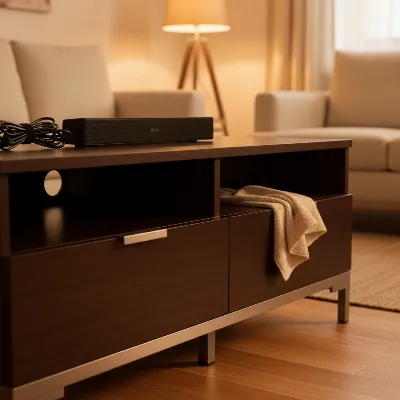 A detailed close-up of a neatly organized TV stand made of wood and metal, with dust-free surfaces and well-managed cables, emphasizing cleanliness and care.
Conclusion
Choosing the perfect TV stand for your 65-inch television is an investment in both your home’s functionality and aesthetic appeal. By considering factors like size compatibility, weight capacity, material, design style, and storage solutions, you can find a stand that not only securely supports your large screen but also enhances your living room’s overall look and feel. From sleek floating units that save space to robust consoles offering ample storage and even integrated fireplace options, the market presents a diverse array of choices. Prioritizing durability, smart design, and adherence to your specific viewing needs will ensure your TV stand remains a central, cherished piece of furniture for years to come.
What features do you value most in a TV stand – cutting-edge design, maximum storage, or ultimate flexibility?
Frequently Asked Questions
What width TV stand do I need for a 65-inch TV?
For optimal stability and visual balance, your TV stand should be 5-10 inches wider than your 65-inch TV, which typically measures 57-60 inches in width. Therefore, a stand between 65 and 70 inches wide is generally recommended.
Can I put a 65-inch TV on a smaller TV stand?
While technically possible if the TV’s base fits, it is not recommended. A stand narrower than your 65-inch TV can look unbalanced and significantly increase the risk of accidental tipping, especially in homes with children or pets. Always choose a stand at least as wide as, and preferably wider than, your television.
What is the ideal height for a TV stand for a 65-inch TV?
The ideal height places the center of your 65-inch TV at eye level when you are seated. For most typical seating arrangements, this means a TV stand height of approximately 40-42 inches. Adjust slightly based on your specific sofa or chair height for maximum comfort.
Is it better to wall-mount a 65-inch TV or use a TV stand?
Both are viable options, depending on your preferences. A TV stand offers storage and easy rearrangement, while wall-mounting saves floor space and creates a minimalist look. Many users combine a wall-mounted TV with a low console below for storage and styling without occupying floor space for the TV itself.
What materials are best for a durable 65-inch TV stand?
For durability and support, prioritize sturdy materials such as solid wood (oak, walnut), metal frames, or high-quality engineered wood with a strong structure. These materials provide better support and longevity than very thin or low-quality composite options. Always verify the stand’s maximum weight capacity.
How much storage do I really need in a TV stand?
The amount of storage you need depends on your media devices and accessories. If you primarily stream, a single open shelf might suffice. However, if you have gaming consoles, a soundbar, physical media, or other gadgets, you’ll benefit from at least two closed compartments and one open shelf to keep things organized and clutter-free.
Should a TV stand have ventilation?
Yes, if you plan to store electronic devices like gaming consoles, AV receivers, or cable boxes inside closed cabinets. Proper ventilation, such as open shelves or slatted doors, is crucial to prevent these devices from overheating and to ensure their longevity.
Frequently Asked Questions
What width TV stand do I need for a 65-inch TV?
For optimal stability and visual balance, your TV stand should be 5-10 inches wider than your 65-inch TV, which typically measures 57-60 inches in width. Therefore, a stand between 65 and 70 inches wide is generally recommended.
Can I put a 65-inch TV on a smaller TV stand?
While technically possible if the TV's base fits, it is not recommended. A stand narrower than your 65-inch TV can look unbalanced and significantly increase the risk of accidental tipping, especially in homes with children or pets. Always choose a stand at least as wide as, and preferably wider than, your television.
What is the ideal height for a TV stand for a 65-inch TV?
The ideal height places the center of your 65-inch TV at eye level when you are seated. For most typical seating arrangements, this means a TV stand height of approximately 40-42 inches. Adjust slightly based on your specific sofa or chair height for maximum comfort.
Is it better to wall-mount a 65-inch TV or use a TV stand?
Both are viable options, depending on your preferences. A TV stand offers storage and easy rearrangement, while wall-mounting saves floor space and creates a minimalist look. Many users combine a wall-mounted TV with a low console below for storage and styling without occupying floor space for the TV itself.
What materials are best for a durable 65-inch TV stand?
For durability and support, prioritize sturdy materials such as solid wood (oak, walnut), metal frames, or high-quality engineered wood with a strong structure. These materials provide better support and longevity than very thin or low-quality composite options. Always verify the stand's maximum weight capacity.
How much storage do I really need in a TV stand?
The amount of storage you need depends on your media devices and accessories. If you primarily stream, a single open shelf might suffice. However, if you have gaming consoles, a soundbar, physical media, or other gadgets, you'll benefit from at least two closed compartments and one open shelf to keep things organized and clutter-free.
Choosing the Right TV Stand for a 65-Inch TV
Selecting the perfect TV stand involves considering several key factors to ensure safety, functionality, and aesthetic harmony in your living space.
Measure your 65-inch TV's width (typically 57-60 inches). Choose a TV stand that is 5-10 inches wider than your TV, ideally in the 65-70 inch range, for optimal stability and visual balance.
Position the center of your TV screen at eye level when seated. For most setups, this means a TV stand height of approximately 40-42 inches, placing the TV's center around 40-45 inches from the floor.
Ensure the TV stand can support your 65-inch TV (50-75 lbs), ideally rated for 25% more. Look for durable materials like solid wood, metal frames, or high-quality engineered wood for longevity and stability.
Assess your media device needs. Opt for a stand with a mix of open shelving (for ventilation) and closed cabinets/drawers (for clutter). Built-in cable management features are essential for a tidy look.
Select a TV stand that complements your home decor, whether modern, traditional, or farmhouse. Consider your budget, with options ranging from $100-$300 (budget) to $600+ (premium), prioritizing durability.

Finally got around to upgrading my old entertainment setup. I appreciated the focus on stands that are 40-42 inches high; it really does make a difference for comfortable viewing. My neck used to hurt after long movie nights, but now the screen is right at eye level. The cable management features on the stand I chose were also a huge bonus for keeping things tidy.
This was super helpful for narrowing down my choices. I specifically needed something that could house my soundbar and gaming console without looking cluttered. The stand I picked from the list not only fits my 65-inch TV perfectly but also has ample storage and a sleek design that really enhances the room’s aesthetics. No more messy wires!
I was really struggling to find a stand that felt secure for my new 65-inch TV. This guide was a lifesaver! I ended up going with one of the options around 68 inches wide, and it looks absolutely perfect in my living room. The stability is exactly what I needed, especially with a toddler running around. Highly recommend checking out the suggestions here if you have a large TV.
I liked the variety of styles mentioned, but I found that many of the stands in the 65-70 inch width range were a bit out of my budget. I ended up having to compromise on some features to stay within my price point. It would have been helpful to see a few more budget-friendly options for larger TVs. Still, it gave me a good starting point for what to look for.