A solid wood TV stand elevates home decor by offering superior durability, timeless aesthetic appeal, and natural warmth that synthetic materials cannot replicate. These stands are crafted entirely from natural wood, showcasing unique grain patterns and textures, making each piece distinct. They serve as a robust and elegant foundation for your television and media devices, enhancing both the functionality and character of your living space.
What is a Solid Wood TV Stand? Why is it Essential for Your Home?
A solid wood TV stand is exactly what its name implies: a piece of furniture crafted entirely from natural wood, rather than engineered wood products like MDF or particleboard. This means each stand boasts the authentic grain, texture, and character of the tree it came from, making every piece genuinely unique. Beyond its natural beauty, a solid wood TV stand serves as a vital anchor in a modern home, offering both practical utility and significant aesthetic value.
These stands play a crucial role in organizing your entertainment setup, providing designated spaces for media devices, accessories, and often hiding unsightly cables. Functionally, they ensure your television is positioned at an optimal viewing height, reducing strain and enhancing your viewing experience. Aesthetically, a solid wood TV stand introduces natural warmth and timeless elegance into your living area, grounding your technology with an organic touch. Its inherent durability means it can withstand the rigors of daily life, offering a stable and long-lasting foundation for your electronics. Moreover, choosing solid wood often represents an eco-friendly decision, embracing sustainability while promising an enduring look that ages gracefully with your home.
Popular Varieties of Solid Wood TV Stands on the Market
The world of TV stands is diverse, with designs tailored to various spatial needs and stylistic preferences. Solid wood construction lends itself beautifully to several popular types, each offering distinct advantages.
Freestanding TV Stands
The most traditional and versatile option, freestanding TV stands, sit directly on the floor. They come in a vast array of sizes and configurations, often featuring a combination of open shelving, closed cabinets, and drawers. These stands are excellent for homeowners who desire substantial storage capacity and a prominent piece of furniture that can serve as a focal point in the room. Their portability also allows for easier rearrangement compared to mounted options.
Wall-Mounted (Floating) TV Stands
For those aiming for a sleek, minimalist, or contemporary aesthetic, wall-mounted or floating TV stands are an ideal choice. These stands attach directly to the wall, creating a sense of spaciousness and an airy feel in the room. They are perfect for small living areas or for achieving a clean, uncluttered look. While they offer less flexibility in rearrangement, their ability to free up floor space can dramatically enhance a room’s open feel.
Corner TV Stands
|
Our Picks for the Best TV Stand in 2026
As an Amazon Associate I earn from qualifying purchases.
|
||
| Num | Product | Action |
|---|---|---|
| 1 | HOOBRO LED TV Stand with Power Outlets to 65 inch TV, Gaming Entertainment Center with Glass Shelves and Large Drawer, Modern Media TV Console Table for Living Room Bedroom, White WT14UDDS01 |

|
| 2 | WALI Floor TV Stand with Power Outlet, Tall TV Stand Mount for 32-75 inch TV up to 110 lbs, Swivel and Height Adjustable TV Stands with Wood Base for Bedroom, Office(TVDVD-7P), Black |
|
| 3 | Furologee TV Stand for TVs up to 55 Inch, Entertainment Center with Open Storage Shelves, Media Console Table with Soundbar Shelf for Living Room, Bedroom, Rustic Brown |
|
| 4 | 23 Inch to 50 Inch Floor Small Corner TV Stand with Storage Shelves for Living Room Bedroom, Universal Floor Television Stands with Mount, Rustic Brown Corner TV Table Desk Shelf for Small Space |
|
| 5 | PERLESMITH Universal Swivel TV Stand for 24-60 inch TVs up to 99 lbs, 12 Height Adjustable Table Top TV Stand, TV Base Stand with Tempered Glass Base, Max VESA 400x400mm, PSTVS33 |
|
| 6 | HOOBRO TV Stand with Charging Station to 55 Inches, LED Entertainment Center, Media TV Console Table with Open Storage Shelving for Living Room, Bedroom, Black BB122UDDS01 |
|
| 7 | TV Stand for TVs up to 55", Entertainment Center with 2 Fabric Drawer, Media Console with Shelves, Television Stands for Living Room, Bedroom, Black DS02BB |
|
| 8 | HOOBRO TV Stand with Power Outlets to 65 Inches, TV Console Table with Open Storage Shelves, Industrial Media Entertainment Center for Living Room Bedroom, Rustic Brown and Black BF40DS01 |
|
| 9 | YGEOMER Entertainment Center for Up to 55 Inch TVs, TV Stand with Power Outlet and Open Storage Shelves, TV Media Console Table for Living Room and Bedroom, Black |
|
| 10 | Furinno Sully 3-Tier Stand for TV up to 40, Espresso/Black |
|
Designed to fit snugly into the corner of a room, these stands are champions of space efficiency. Corner TV stands are perfect for maximizing floor space in smaller rooms or for optimizing a specific room layout where a central placement isn’t feasible. They often feature a triangular or angled back, allowing them to blend seamlessly into the corner while still providing ample surface area for your TV and media components.
Entertainment Centers (Combination)
For comprehensive storage and a cohesive design, an entertainment center combines a TV stand with additional shelving, cabinets, and sometimes even display cases. These larger units can effectively frame your television, creating an impressive media hub. They are excellent for those with extensive media collections, multiple gaming consoles, or decorative items to display, offering a complete solution for both organization and aesthetic appeal.
Choosing the Right Solid Wood: A Material Guide
The type of solid wood chosen for your TV stand significantly impacts its durability, aesthetic appeal, and overall character. Different wood species offer unique grain patterns, color tones, and levels of hardness, allowing you to select a material that perfectly complements your home’s existing decor and your personal preferences. Hardwoods generally offer superior strength and longevity compared to softwoods.
Here’s a comparison of some popular solid wood types used in TV stands:
| Wood Type | Durability & Strength | Aesthetic Appeal | Typical Cost | Ideal Style Match |
|---|---|---|---|---|
| Oak | Excellent; very strong and durable, resistant to wear and moisture. | Distinctive, visible grain; light to medium brown. | Moderate | Modern Farmhouse, Scandinavian, Mission, Traditional. |
| Walnut | Good; strong, but not as hard as oak. Ages beautifully. | Rich, dark chocolate brown tones; fine, straight grain. | High | Mid-Century Modern, Luxury, Contemporary, Formal. |
| Maple | Excellent; premium hardness and durability. | Light, creamy blonde color; subtle, fine grain. | Moderate | Modern, Scandinavian, Minimalist. |
| Cherry | Good; becomes richer in color with age. | Warm, reddish-brown tones; smooth, even grain. | High | Traditional, Formal, Classic, Luxury. |
| Ash | Good; tough, resilient, and shock-resistant. | Pale, creamy color; straight, uniform grain. | Moderate | Modern, Japandi, Minimalist, Contemporary. |
| Pine | Moderate; softer wood, prone to dents and scratches. | Light, rustic appearance; prominent knots and grain. | Low | Rustic, Boho, Cottage, Casual. |
| Mahogany | Exceptional; highly durable, resistant to rot, pests, and moisture. | Deep reddish-brown hue, darkens with age; straight grain. | Very High | High-End, Traditional, Luxury. |
Key Considerations When Investing in a Solid Wood TV Stand
Choosing the perfect solid wood TV stand involves more than just liking its look. Thoughtful consideration of several practical factors will ensure your investment is both beautiful and functional for years to come.
TV Size and Stand Dimensions
The most critical factor is ensuring your TV stand is appropriately sized for your television. A general rule of thumb is to select a stand that is wider than your TV to provide stability and a balanced aesthetic. Always check the stand’s weight capacity to confirm it can safely support your television and any additional components. Overlooking this can lead to instability and potential damage.
Wood Type and Finish
As explored earlier, the wood species dictates much about the stand’s durability and visual appeal. Opt for hardwoods like oak or maple for maximum longevity and resistance to wear, especially in high-traffic areas. The finish is equally important; a protective finish shields the wood from moisture and scratches while enhancing its natural beauty. Consider whether you prefer a natural, stained, or painted finish, ensuring it aligns with your existing decor.
Design Aesthetics and Room Style
Your TV stand should complement your home’s overall design theme. A minimalist stand with clean lines might suit a contemporary space, while a piece with ornate details or distressed finishes would enhance a rustic or traditional room. Mid-century modern designs, characterized by tapered legs and warm walnut tones, offer a timeless appeal. Think about the style you want to achieve and how the TV stand contributes to that vision.
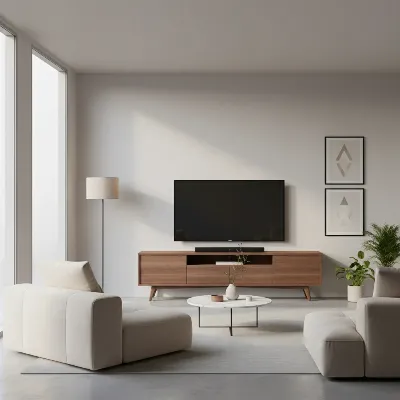 Sleek modern solid walnut TV stand with minimalist design and ample storage.
Storage and Functionality
Beyond holding your TV, a good stand offers practical storage solutions. Evaluate your needs: do you require open shelves for soundbars and gaming consoles, or prefer concealed cabinets and drawers to hide clutter? Features like cable management cutouts and ventilation gaps are crucial for keeping your entertainment area tidy and preventing electronics from overheating.
Budget and Long-Term Value
While solid wood TV stands generally have a higher upfront cost than those made from engineered wood, they offer superior long-term value. Their durability means less frequent replacement, and their timeless appeal ensures they remain stylish for decades. Woods like pine offer budget-friendly entry points, while oak and maple represent excellent value for durability. Premium woods like walnut and cherry are significant investments that appreciate in character over time.
Top Solid Wood TV Stand Styles & Features
Many popular solid wood TV stands today blend classic craftsmanship with modern functionality. While specific models and brands can vary, certain styles and features consistently receive high praise for their design, quality, and practicality.
Mid-Century Modern Marvels: These stands often feature warm walnut or teak finishes, tapered legs, and a low-profile silhouette. They combine open shelving with discreet, sometimes sliding, cabinet doors, perfect for integrating technology while maintaining a sophisticated aesthetic. Pieces like the Walker Edison 58″ Mid-Century Modern stand, crafted from solid pine with a caramel finish, exemplify this beloved style, offering both looks and practical storage.
Rustic Farmhouse Charm: Embracing natural imperfections and robust construction, rustic farmhouse TV stands often feature distressed finishes, reclaimed wood, and elements like barn-door style sliders. These pieces bring a cozy, lived-in feel to any room. The Legends Furniture Rustic Alder 66-inch stand, with its knotty alder wood and rolling doors, is a great example, marrying sturdy construction with a welcoming, traditional aesthetic.
Minimalist Scandinavian Elegance: Characterized by clean lines, light wood tones (such as oak or ash), and a focus on simplicity, Scandinavian-inspired stands offer understated beauty. They often feature open shelves, sometimes with subtle drawers, to create a light and airy feel. The Kepner Media Console, made from solid oak with a light amber finish and soft-close doors, showcases how minimalist design can still offer ample functionality and quality.
Industrial Edge: For a more contemporary and urban look, industrial-style solid wood TV stands often incorporate metal accents, such as iron frames or legs, paired with robust wood surfaces. These designs frequently utilize darker woods or distressed finishes to enhance their edgy appeal, creating a striking focal point.
Many top-rated solid wood stands prioritize thoughtful features like integrated cable management systems, ensuring unsightly wires are kept neatly out of sight. They also often include soft-close drawers and robust hardware, adding to both the user experience and the longevity of the piece. Look for solid wood pieces that come with anti-tip kits or wall anchors for added safety, especially in homes with children or pets.
> “A solid wood TV stand isn’t just furniture; it’s a testament to enduring quality and timeless design. The right piece will adapt with your home’s evolving style for decades.” – Liam Chen, Lead Designer, Luxe Living Interiors
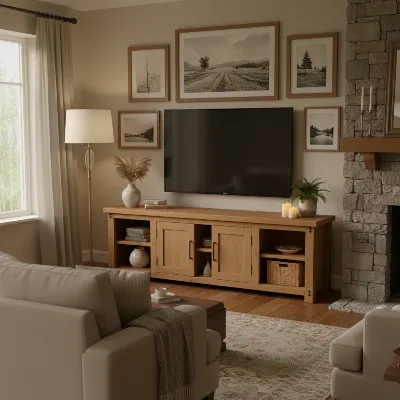 Inviting rustic solid oak TV stand with open shelving and closed storage.
Maintaining the Beauty of Your Solid Wood TV Stand
To ensure your solid wood TV stand retains its beauty and functionality for generations, consistent and proper care is essential. Unlike synthetic materials, wood benefits from specific cleaning and maintenance routines.
Begin with regular dusting using a soft, dry microfiber cloth at least once a week. This prevents the buildup of dust and grime that can dull the finish or, if left to accumulate, potentially cause micro-scratches over time. When cleaning, always wipe along the grain of the wood to maintain its natural appearance.
For deeper cleaning, address spills immediately with a clean, dry cloth to prevent staining or moisture damage. For more thorough cleaning, lightly dampen a microfiber cloth with a mild soap-and-water solution or a wood-safe cleaner. Gently wipe the surface, then immediately follow with a dry cloth to remove any residual moisture. Avoid harsh chemicals, abrasive pads, or paper towels, as these can strip the finish or scratch the wood.
Periodically, typically once a month or every few months, consider applying a wood polish or conditioner formulated for your specific wood finish. Products like beeswax polish can help restore shine, moisturize the wood, and provide an additional layer of protection against minor wear and tear, ensuring your stand continues to look vibrant.
Protecting your TV stand from environmental factors is crucial. Avoid placing it in direct sunlight, which can cause the wood to fade or discolor over time. Similarly, keep it away from direct heat sources like radiators or fireplaces, as extreme temperatures can dry out and warp the wood. Maintaining consistent humidity levels (between 40-50%) in your home can also prevent swelling or cracking. Using felt pads under vases, speakers, or decorative items, and employing linen runners or trays, will significantly help prevent scratches and dents from daily use. Finally, don’t forget to manage your cables and clean vents regularly. Use cable ties to keep cords organized, and compressed air or a soft brush to clear dust from ventilation gaps, which helps prevent electronics from overheating.
Conclusion
Choosing a solid wood TV stand is more than just a purchase; it’s an investment in the longevity, beauty, and character of your living space. From its inherent durability and timeless aesthetic to its unique ability to bring natural warmth into your home, solid wood offers unparalleled advantages over other materials. By understanding the different wood types, popular styles, essential features, and proper maintenance techniques, you can select a piece that not only perfectly accommodates your entertainment needs but also elevates your home decor for decades to come.
Are you ready to discover the perfect solid wood TV stand that speaks to your style and enhances your living experience?
Frequently Asked Questions
What are the main benefits of a solid wood TV stand over engineered wood?
Solid wood TV stands offer superior durability, longevity, and a timeless aesthetic with unique grain patterns. They can be refinished multiple times, increasing their lifespan, and often hold their value better than engineered wood alternatives, which are typically less robust and harder to repair.
How do I choose the right wood type for my TV stand?
Consider your home’s aesthetic and your budget. Oak and maple offer excellent durability and are moderately priced, fitting well with modern or traditional styles. Walnut and cherry are more expensive luxury options, providing rich, dark tones ideal for formal or mid-century modern designs. Pine is a budget-friendly choice with a rustic appeal but is softer.
Can a solid wood TV stand be used in any room size?
Yes, solid wood TV stands come in various configurations, including compact corner units and floating designs perfect for smaller rooms, as well as expansive entertainment centers suitable for larger spaces. The key is to measure your TV and the available room dimensions carefully to ensure a proportional and functional fit.
How do I protect my solid wood TV stand from scratches and damage?
Regular dusting with a soft cloth and immediate cleanup of spills are crucial. To prevent scratches, use felt pads under electronic devices and decorative items, and consider placing linen runners on the surface. Avoid harsh chemical cleaners and direct sunlight, which can fade or warp the wood over time.
Is it difficult to assemble a solid wood TV stand?
Assembly difficulty varies by design and manufacturer. While some simpler models may be easy to put together, many high-quality solid wood TV stands, especially larger ones, can be quite heavy and might require two people for assembly or even come fully assembled. Always check the product specifications and reviews regarding assembly.
Frequently Asked Questions
What are the main benefits of a solid wood TV stand over engineered wood?
Solid wood TV stands offer superior durability, longevity, and a timeless aesthetic with unique grain patterns. They can be refinished multiple times, increasing their lifespan, and often hold their value better than engineered wood alternatives, which are typically less robust and harder to repair.
How do I choose the right wood type for my TV stand?
Consider your home's aesthetic and your budget. Oak and maple offer excellent durability and are moderately priced, fitting well with modern or traditional styles. Walnut and cherry are more expensive luxury options, providing rich, dark tones ideal for formal or mid-century modern designs. Pine is a budget-friendly choice with a rustic appeal but is softer.
Can a solid wood TV stand be used in any room size?
Yes, solid wood TV stands come in various configurations, including compact corner units and floating designs perfect for smaller rooms, as well as expansive entertainment centers suitable for larger spaces. The key is to measure your TV and the available room dimensions carefully to ensure a proportional and functional fit.
How do I protect my solid wood TV stand from scratches and damage?
Regular dusting with a soft cloth and immediate cleanup of spills are crucial. To prevent scratches, use felt pads under electronic devices and decorative items, and consider placing linen runners on the surface. Avoid harsh chemical cleaners and direct sunlight, which can fade or warp the wood over time.
Is it difficult to assemble a solid wood TV stand?
Assembly difficulty varies by design and manufacturer. While some simpler models may be easy to put together, many high-quality solid wood TV stands, especially larger ones, can be quite heavy and might require two people for assembly or even come fully assembled. Always check the product specifications and reviews regarding assembly.
Maintain Your Solid Wood TV Stand's Beauty
Proper care ensures your solid wood TV stand retains its beauty and functionality for generations. Follow these steps for consistent maintenance.
Use a soft, dry microfiber cloth at least once a week to dust your TV stand. This prevents dust and grime buildup that can dull the finish or cause micro-scratches. Always wipe along the wood grain.
Address any spills with a clean, dry cloth right away to prevent staining or moisture damage. For deeper cleaning, lightly dampen a microfiber cloth with a mild soap-and-water solution, then immediately dry with a separate clean cloth. Avoid harsh chemicals.
Every one to three months, apply a wood polish or conditioner formulated for your specific wood finish. Products like beeswax polish can restore shine, moisturize the wood, and add a protective layer against minor wear and tear.
Avoid placing the stand in direct sunlight or near heat sources like radiators, as this can cause fading, discoloration, or warping. Maintain consistent humidity levels (40-50%) in your home to prevent swelling or cracking. Use felt pads under items to prevent scratches.
Keep cords organized using cable ties to prevent clutter and potential damage. Regularly clear dust from ventilation gaps with compressed air or a soft brush to ensure proper airflow and prevent electronics from overheating.

I appreciate the focus on different wood types. I ended up going with a walnut stand after seeing the examples, and the grain patterns are just stunning. My only minor complaint is that assembly was a bit trickier than I expected, even for someone handy. But once it was together, it’s a really robust and elegant foundation for my TV.
I liked the idea of a solid wood stand for its timeless aesthetic appeal, but I found that the specific model I chose (a pine one) scratched a little easier than I anticipated. It still looks good overall, and the natural character is there, but I have to be extra careful with it. Next time I might opt for a harder wood.
Finally pulled the trigger on a new TV stand and I’m so glad I went with solid wood. The difference in quality compared to my old particleboard unit is night and day. It really does enhance the character of my living space and holds all my media devices perfectly. No more saggy shelves!
I was really on the fence about spending more for a solid wood TV stand, but after reading about the durability and natural warmth, I took the plunge. I got a beautiful oak piece and it totally transformed my living room. It feels so sturdy and looks way more expensive than it was. Definitely worth the investment for something that will last.