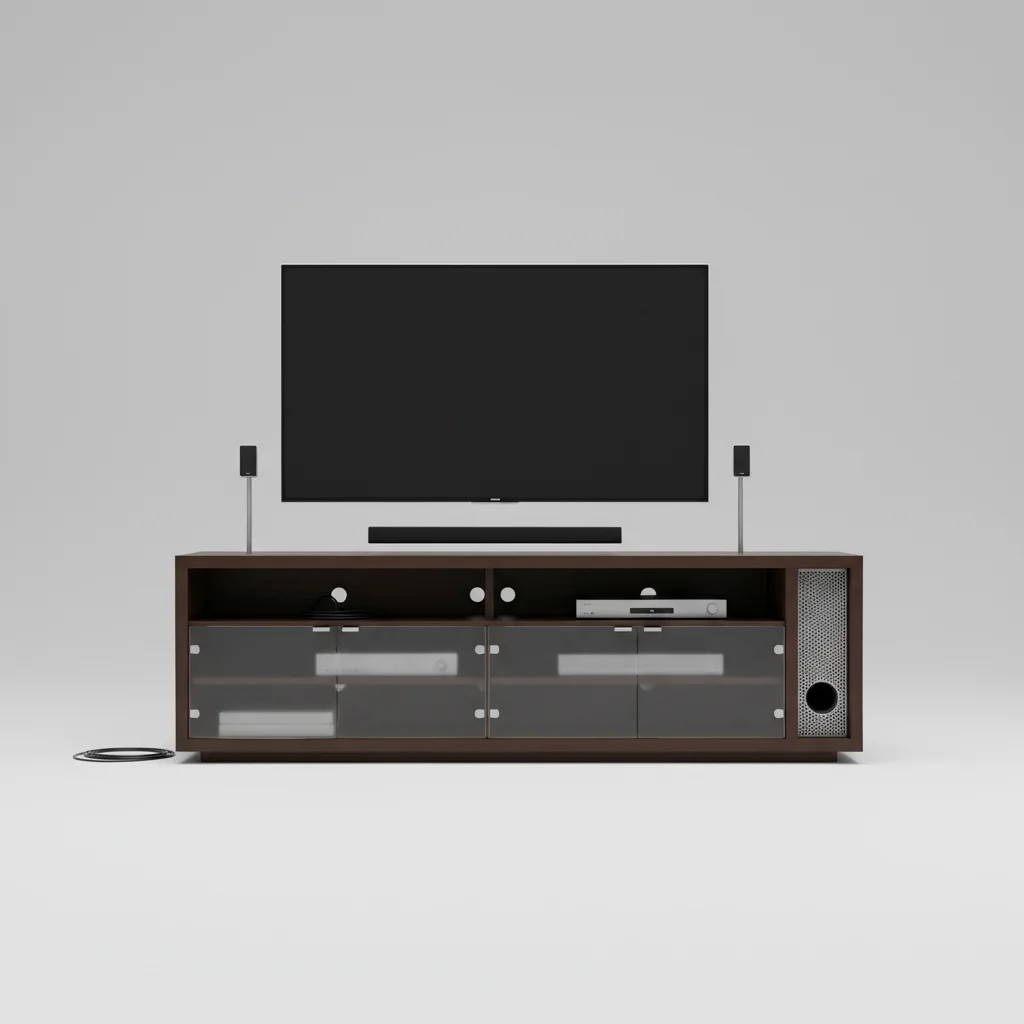
Choosing the right TV stand for your sound system is crucial for both audio performance and aesthetic integration. A dedicated TV stand designed with sound systems in mind will offer specific features to enhance your listening experience and keep your setup organized. Key features to look for include ample shelving, proper ventilation, and effective cable management.
Optimized Shelving for Audio Components
When selecting a TV stand for your sound system, consider the number and size of your audio components. Many modern sound systems include a receiver, amplifier, Blu-ray player, and potentially a turntable or gaming console. Look for stands with adjustable shelves to accommodate varying component heights. Open-back designs or integrated ventilation cutouts are essential to prevent overheating, which can degrade component performance and lifespan. Some stands even feature dedicated soundbar shelves, positioning your soundbar optimally for clear audio without obstructing the TV screen.
Effective Cable Management Solutions
A tangle of wires can detract from even the most sophisticated sound system. A good TV stand for a sound system will incorporate robust cable management features. This often includes pre-drilled holes or channels in the back panel to route cables neatly. Some advanced stands offer integrated cable ties or clips, and even hidden compartments to conceal power strips and excess wiring. Effective cable management not only improves the aesthetics of your entertainment area but also helps prevent accidental disconnections and makes future adjustments easier.
Material and Resonance Considerations
|
Our Picks for the Best TV Stand in 2026
As an Amazon Associate I earn from qualifying purchases.
|
||
| Num | Product | Action |
|---|---|---|
| 1 | HOOBRO TV Stand with Charging Station to 55 Inches, LED Entertainment Center, Media TV Console Table with Open Storage Shelving for Living Room, Bedroom, Black BB122UDDS01 |

|
| 2 | Furinno Sully 3-Tier Stand for TV up to 40, Espresso/Black |
|
| 3 | Furologee TV Stand for TVs up to 55 Inch, Entertainment Center with Open Storage Shelves, Media Console Table with Soundbar Shelf for Living Room, Bedroom, Rustic Brown |
|
| 4 | HOOBRO LED TV Stand with Power Outlets to 65 inch TV, Gaming Entertainment Center with Glass Shelves and Large Drawer, Modern Media TV Console Table for Living Room Bedroom, White WT14UDDS01 |
|
| 5 | TV Stand for TVs up to 55", Entertainment Center with 2 Fabric Drawer, Media Console with Shelves, Television Stands for Living Room, Bedroom, Black DS02BB |
|
| 6 | PERLESMITH Universal Swivel TV Stand for 24-60 inch TVs up to 99 lbs, 12 Height Adjustable Table Top TV Stand, TV Base Stand with Tempered Glass Base, Max VESA 400x400mm, PSTVS33 |
|
| 7 | WALI Floor TV Stand with Power Outlet, Tall TV Stand Mount for 32-75 inch TV up to 110 lbs, Swivel and Height Adjustable TV Stands with Wood Base for Bedroom, Office(TVDVD-7P), Black |
|
| 8 | 23 Inch to 50 Inch Floor Small Corner TV Stand with Storage Shelves for Living Room Bedroom, Universal Floor Television Stands with Mount, Rustic Brown Corner TV Table Desk Shelf for Small Space |
|
| 9 | YGEOMER Entertainment Center for Up to 55 Inch TVs, TV Stand with Power Outlet and Open Storage Shelves, TV Media Console Table for Living Room and Bedroom, Black |
|
| 10 | HOOBRO TV Stand with Power Outlets to 65 Inches, TV Console Table with Open Storage Shelves, Industrial Media Entertainment Center for Living Room Bedroom, Rustic Brown and Black BF40DS01 |
|
The material of your TV stand can subtly impact sound quality, particularly for sensitive audio equipment. Solid wood stands tend to offer better vibration dampening compared to lighter materials like particleboard or thin metal. While the effect might be minimal for most casual listeners, audiophiles often prefer denser materials to reduce unwanted resonance. Consider the overall stability and sturdiness of the stand, especially if you have heavy amplifiers or speakers. A stable platform minimizes vibrations that could interfere with audio playback.
- Adjustable shelves for varied component sizes.
- Ventilation cutouts or open-back design for heat dissipation.
- Integrated cable management channels and ties.
- Sturdy construction from dense materials like solid wood.
- Dedicated soundbar shelf for optimal audio placement.
Aesthetic Integration and Room Flow
Beyond functionality, the TV stand for your sound system should complement your room’s decor. Consider the style, finish, and overall footprint of the stand. A stand that is too large can overwhelm a small room, while one that is too small might look disproportionate to your TV and sound system. Measure your space carefully and visualize how the stand will fit with your existing furniture. Many manufacturers offer stands in various styles, from minimalist modern to rustic farmhouse, ensuring you can find one that matches your personal taste.
Future-Proofing Your Entertainment Setup
As technology evolves, so too do sound systems. When investing in a TV stand, consider its adaptability for future upgrades. Will it accommodate larger receivers or additional components you might acquire down the line? Modular designs or stands with ample unused space can offer flexibility. Think about the weight capacity of the shelves and the overall structure to ensure it can support heavier, high-end audio equipment if you plan to upgrade. A well-chosen TV stand is an investment that can serve your entertainment needs for many years.
